Home>Reading Alberta's Climate Politics From the Ground
27 October 2026
Reading Alberta's Climate Politics From the Ground

Through the CARE Mobility Fellowship program, I had the unique opportunity to spend two and a half months in Western Canada studying climate policymaking for the dissertation that concluded my research Master’s in comparative politics. For me, this was a first major step towards what I hope will be an academic career in climate governance.

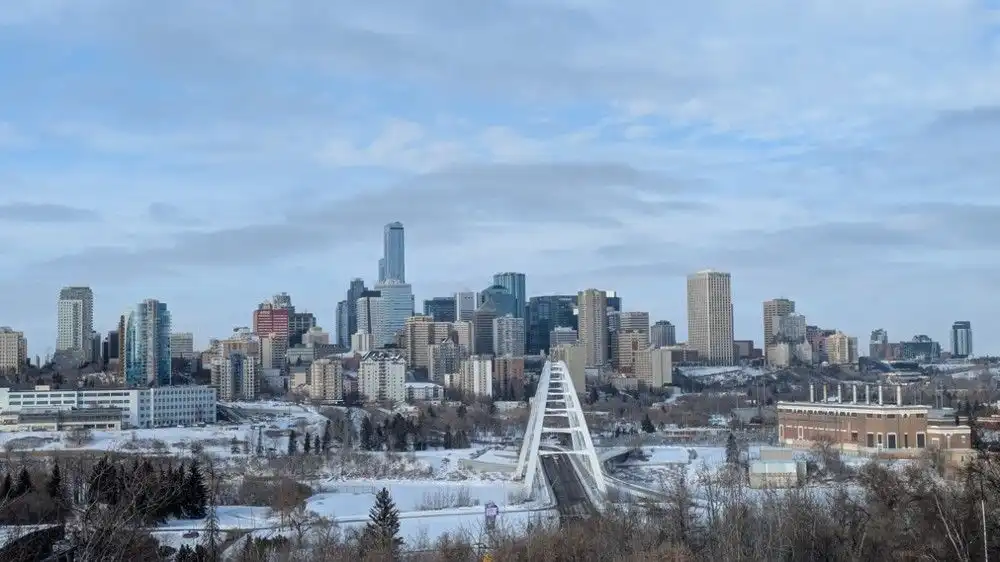
Alberta, as a petro-state with decades of pro-oil conservative government, is, on paper, an unfavourable context for ambitious climate regulation. Yet in 2015, the province’s New Democratic Party (NDP) government introduced the Climate Leadership Plan (CLP), which included a hard cap on oil sands emissions. To understand this outcome, I conducted an in-depth case study combining document analysis and 21 interviews with key actors, most notably Andrew Leach (economist and CLP architect), and two former NDP ministers, Shannon Phillips (environment) and Deron Bilous (economy).
In a nutshell, my argument is that two things had to happen in sequence to advance climate policy in Alberta. First, the province’s pro-oil coalition was destabilised before the 2015 elections. Transnational “dirty oil” campaigns, banks’ divestments and the 2014 oil price collapse weakened the oil industry and the governing Conservatives. Together, these shifts paved the way for the NDP’s 2015 electoral victory, ending 44 years of Conservatives in office. Second, within this window of opportunity, reinforced by the arrival of a new Liberal federal government (Trudeau I), a pro-climate coalition was assembled by successful framings of climate regulation as a condition of economic credibility and market access, which won over reform-willing industry actors. This coalition-building process required negotiated agreements, which led to the implementation of market-friendly instruments only, excluding the hard cap on emissions.

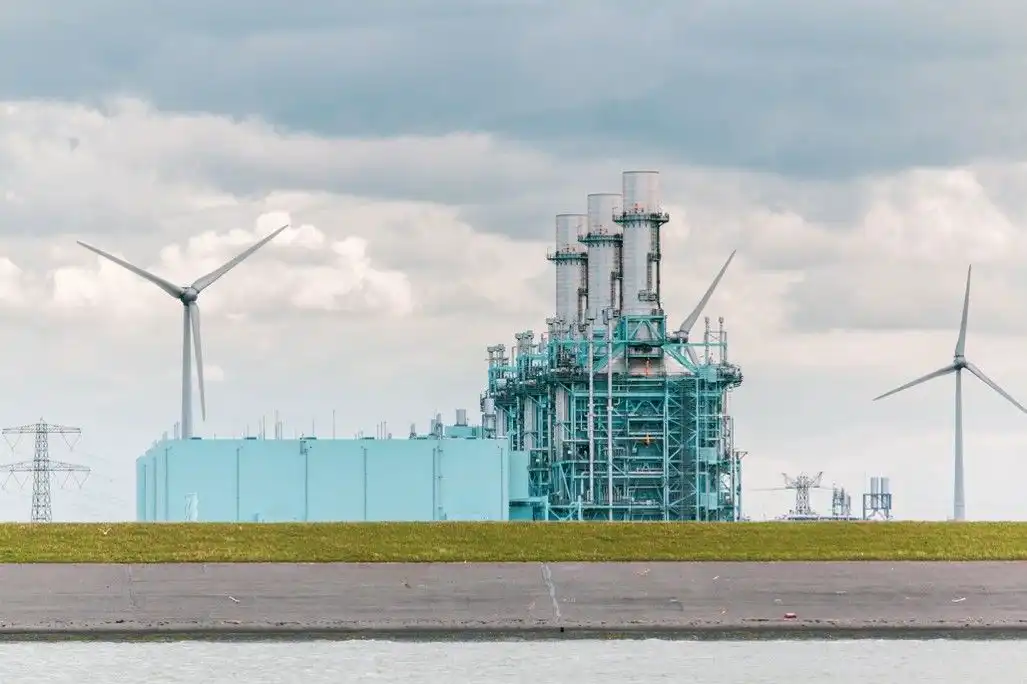
The Alberta case shows that climate policymaking is possible even in a petro-state, but there it served less to fight climate change than to secure fossil fuel export market access through greater legitimacy. My take-home lesson is that systems where emitting is highly profitable are locked into carbon-intensive paths, and that this lock-in rests not only on economic exchanges but also on identity. Oil generated wealth in a place that was mostly crop fields two generations ago, and it is now called the province’s “lifeblood.” But this is not a fatalistic argument, because the way climate policy is framed shapes who will support it. Moreover, policy feedback theory suggests that investments in renewable energy can empower actors whose interests align with renewable-friendly regulation. This idea that policies reshape politics is not new, but it may prove essential to scale up changes in industrial practices.
On a personal level, I want to highlight how much this fieldwork moved me. I met many open-minded and helpful people, often when it was least expected, like at the beginning of my journey at the Social Science Tower on the University of Calgary campus, where I was invited to attend research meetings as an external observer. There, like an investigative reporter, I was given my first contacts, which led me, through a chain of introductions (snowball sampling), to high-profile figures such as two former Alberta ministers.
It was also a very valuable opportunity to progress in the methodology of case study research, as well as a difficult theorisation exercise in such a new context. I had to go back and forth between political science authors and the field to make sense of what I was observing, in a relatively short time for this kind of project. Looking back, I would do some parts differently, for example, by contacting some interviewees way earlier. That would have helped frame my research, and I could probably have had access to more hard-to-reach people early on.
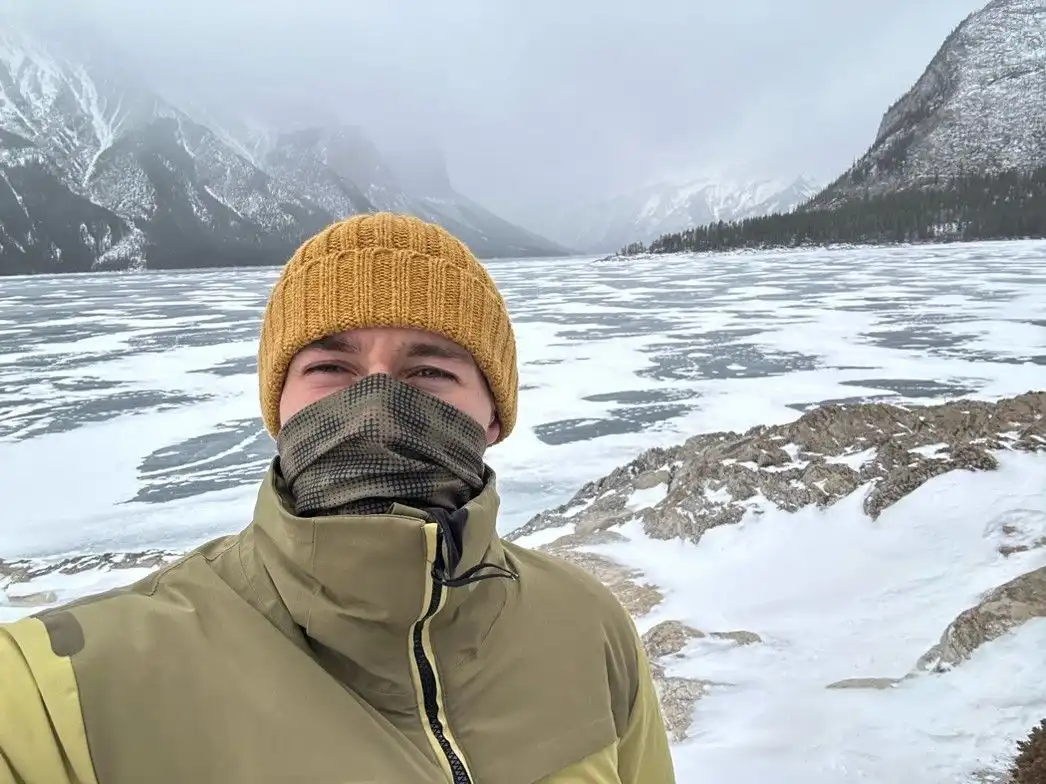
On a lighter note, in the middle of the fieldwork, I took some days off in the Rocky Mountains, the range separating British Columbia from the Alberta prairies. Although the milder weather was a welcome relief compared with temperatures as low as -37 °C in Edmonton, the landscapes were absolutely breathtaking. The same goes for UBC’s campus, which helped me recharge and find inspiration while writing the core of my dissertation.
I am particularly grateful to my supervisors, Charlotte Halpern and Philippe Bezes, who pushed me to pursue research. Six months later, I am now a PhD candidate and teaching assistant in public policy at the University of Lausanne, trying to better understand governance issues related to the resilience of buildings in the face of extreme climate events. Thanks again to CARE for making this first step possible.