Home>CARE Annual Conference 2026 in Paris: Learning, Collaboration and Community in Action


10.03.2026
CARE Annual Conference 2026 in Paris: Learning, Collaboration and Community in Action
From Wednesday 4 to Saturday 7 March 2026, the Paris School of International Affairs at Sciences Po Paris hosted the CARE Annual Conference 2026. The event brought together students, faculty and partners from across the consortium, who engaged in panels, roundtables, workshops, field visits as well as a Mock Tribunal for the Yet to Come and student-led cultural activities across Greater Paris.

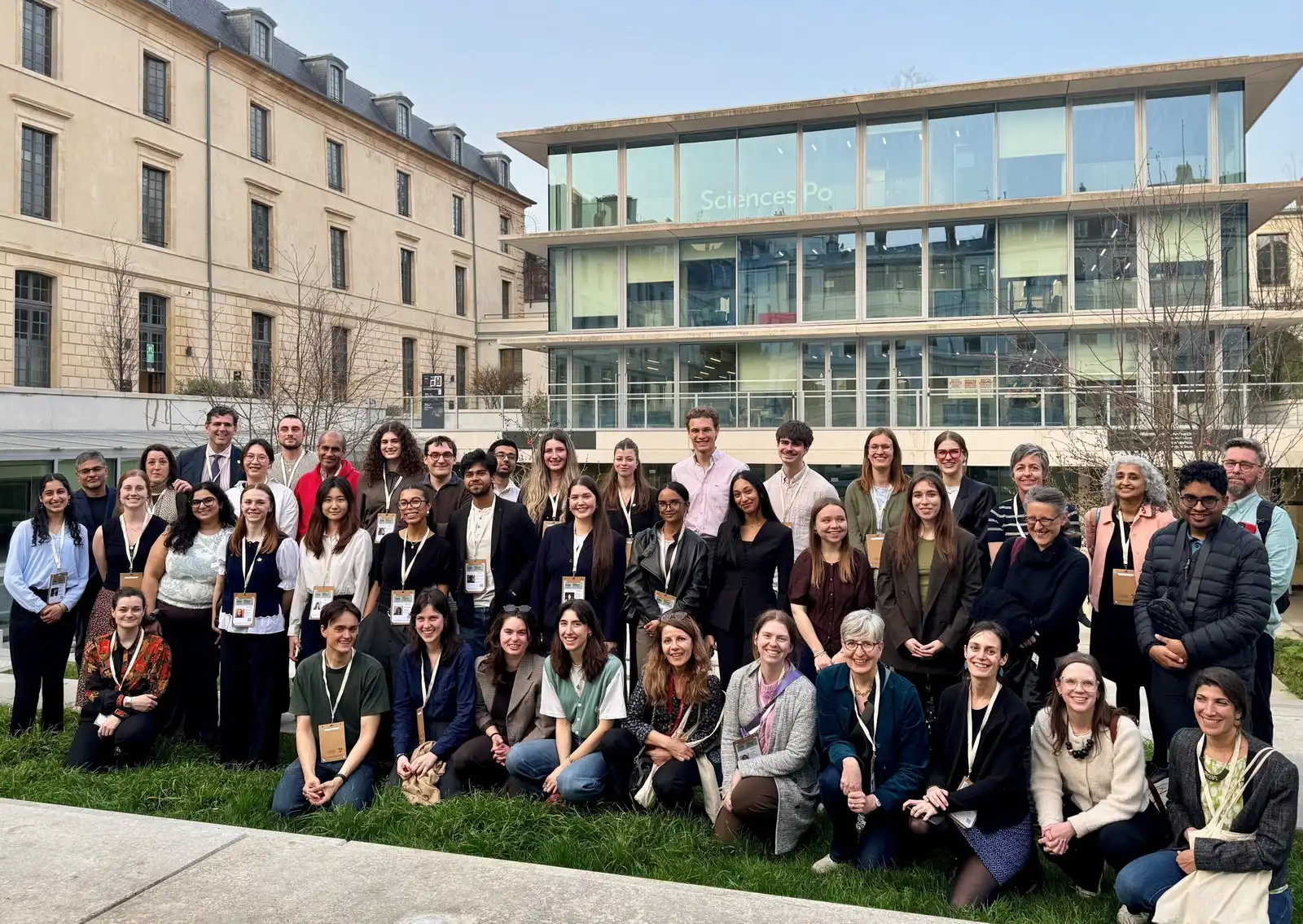
Wednesday 4 March: Opening & Welcome
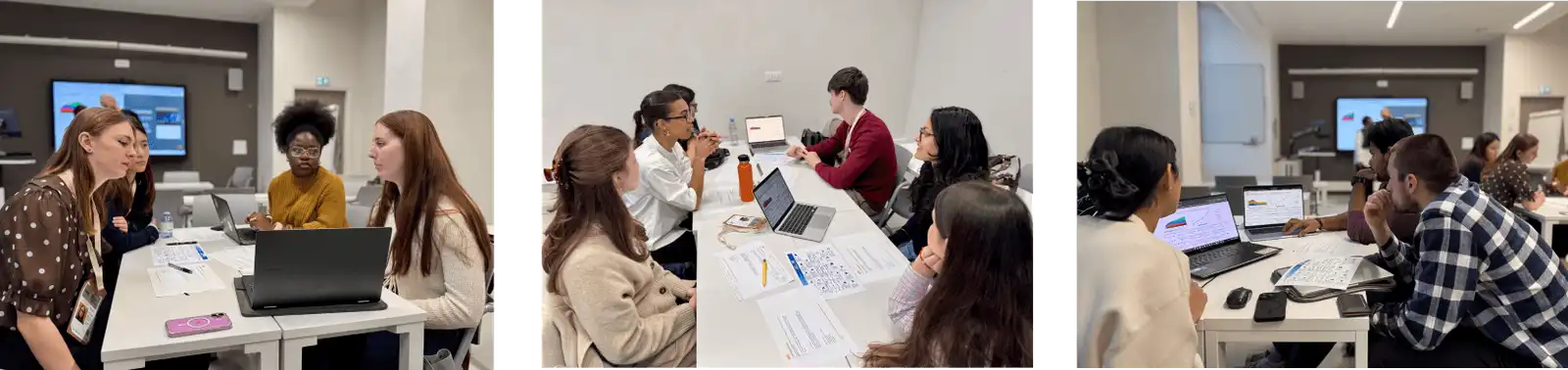
The conference began with an En-ROADS Climate Workshop, led by Liz Ifaturoti and Patrick Batas-Bjelic, during which student participants were encouraged to explore climate dynamics and policy interventions through interactive modeling exercises.
The Welcome Reception brought CARE students, faculty and partners together in an informal setting, encouraging early exchanges and building the collaborative spirit that would define the conference.

Thursday 5 March: Adapting Cities & Urban Systems to a 4°C World
Supervised by tenured researcher at Sciences Po and Member of CARE's Scientific Committee Dr. Charlotte Halpern, Thursday focused on urban adaptation in a warming world. The day addressed the intersection of scientific knowledge, governance and urban adaptation practices.
Morning Panels
The first panel, “Setting the vision, Making it happen: mobilizing policy resources and stakeholders’ engagement”, chaired by Dr. Halpern, brought together experts from CARE partner institutions to discuss strategies for translating knowledge into action. Presenters shared insights on stakeholder engagement, co-benefit approaches and the challenges of moving policies from conception to implementation. Contributors included:
- Peter Wallace (University of Toronto, Munk School of Global Affairs and Public Policy), discussing strategies for moving policy from conception to impact.
- Prof. Amanda Giang (University of British Columbia), presenting on community-engaged modeling for climate-just mobility transitions, with examples from Vancouver.
- Valentin Laprie (OFCE, Sciences Po), highlighting stakeholder engagement in climate transitions with a focus on co-benefits.
- Leila O’Rourke (PSIA, Sciences Po) and Hugo Kapteijn (PSIA, Sciences Po), whose presentation, developed as part of the CARE In-Situ Project on Urban Resilience led by the University of Toronto, showcased student-led research on practical approaches to stakeholder engagement in urban adaptation.

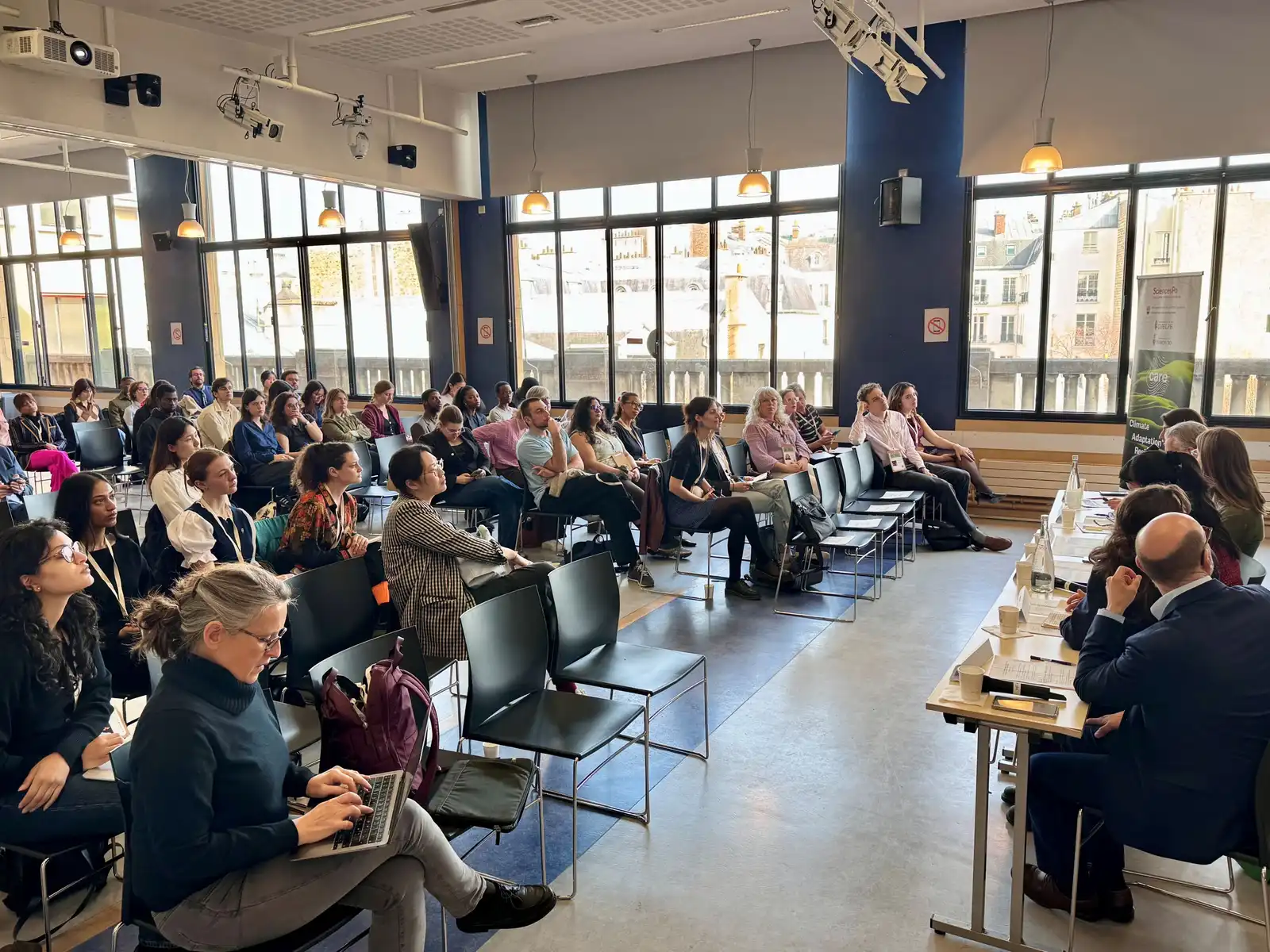
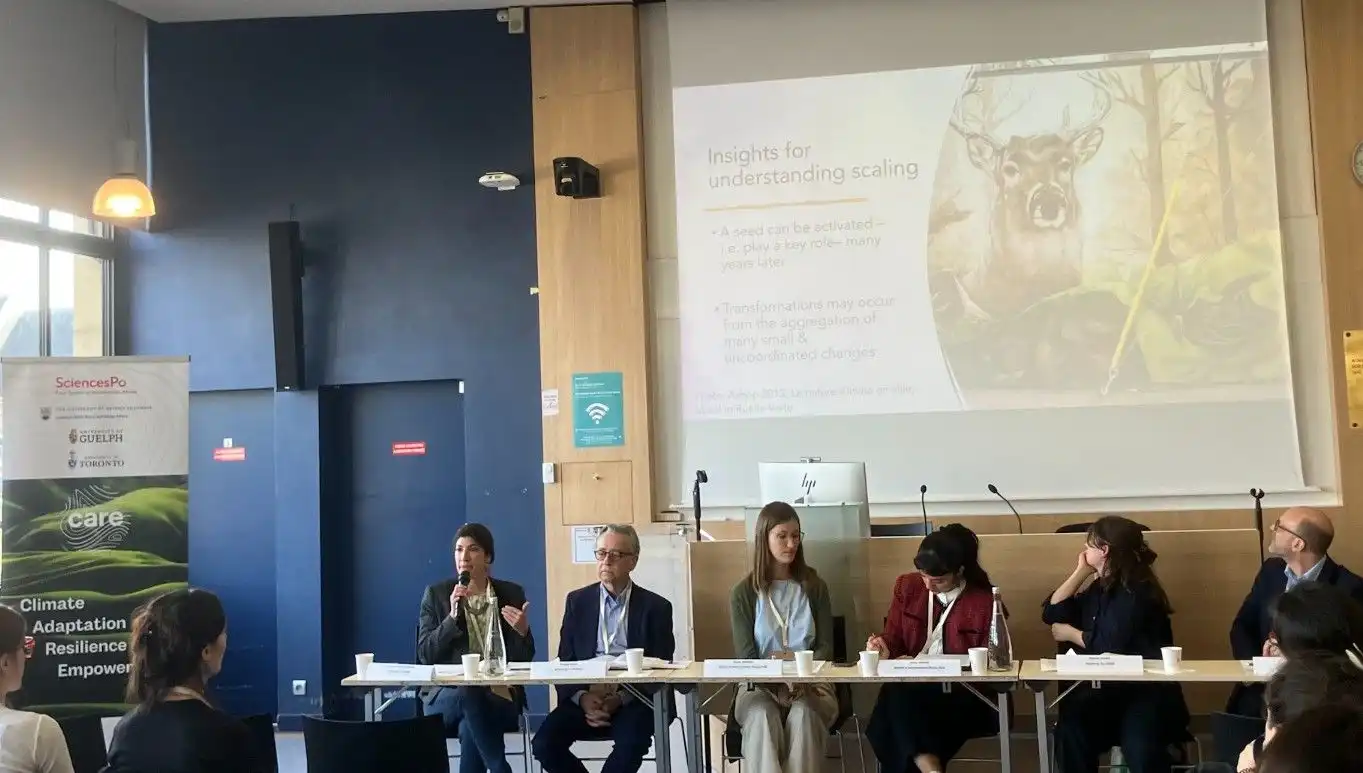
The second panel, chaired by Dr. Marc Ringel, Sciences Po's European Chair for Sustainable Development and Climate Transition and Member of CARE's Scientific Committee, was entitled “Delivering resilient urban systems by adapting infrastructures, systems and the built environment”. It explored both technical and social dimensions of urban adaptation. Presenters included:
- Amélie Clark (Urban School, Sciences Po & CIRED), comparing scientific expertise and policy in urban adaptation plans.
- Prof. Karina Benessaiah (University of Guelph), discussing enabling conditions for scaling resilient urban transformations.
- George Vegh (University of Toronto, Munk School of Global Affairs and Public Policy), presenting on infrastructure challenges for urban networks.
- Mailie Besson (PSIA, Sciences Po) and Elyne Fabing (PSIA, Sciences Po), whose contributions, also developed as part of the CARE In-Situ Project on Urban Resilience led by the University of Toronto, demonstrated practical interventions such as the use of green roofs in Paris to mitigate the urban heat island effect, directly linking student-led research to tangible urban adaptation strategies.

Students engaged actively in discussion, reflecting on both practical and policy dimensions of urban resilience.
Afternoon Field Visits
Participants then joined field visits across Greater Paris, observing real-world adaptation projects:
- Greening initiatives in the 12th district - exploring how urban greening improves environmental and social resilience.
- Aretha Franklin Park - examining biodiversity-focused interventions in a working-class neighborhood.
- Paris Crisis Management Center - understanding operational preparedness for climate-related events.
- Pee for the Planet, Rosny-sous-Bois - urine source separation and wastewater management: learning about sustainable resource management in urban infrastructure.


Field Visit 1, Greening initiatives in the 12th district.

Field Visit 1, Greening Initiatives in the 12th District.


Field Visit 2, Aretha Franklin Park


Field Visit 3, Paris Crisis Management Center


Field Visit 4, Pee for the Planet
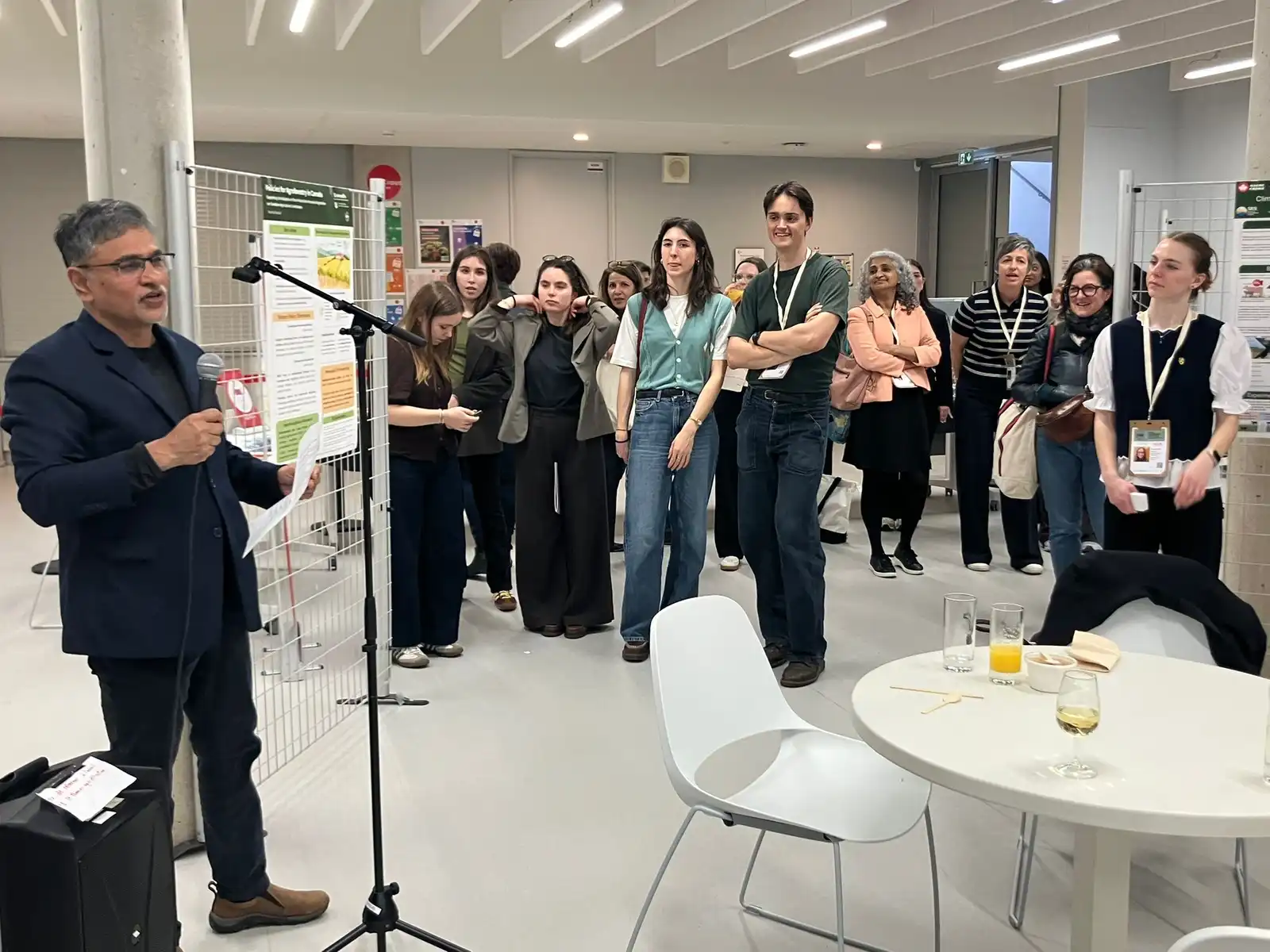
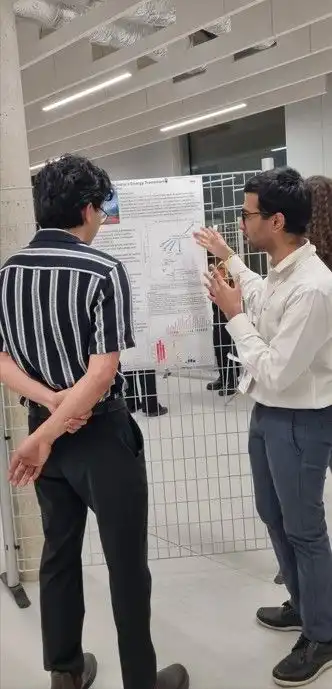
The afternoon concluded with a poster session and networking cocktail, allowing students to present their research and to connect across institutions.

Friday 6 March: Sufficiency as a Guide for Mitigation and Adaptation
Supervised by Dr. Yamina Saheb, Friday explored sufficiency principles and their implications for climate mitigation, energy systems and social transformation.

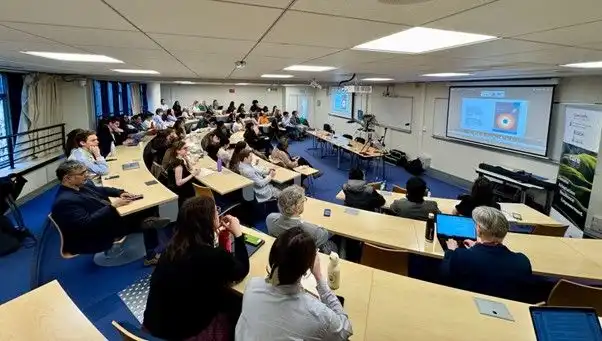
In her online keynote, Prof. Debra Roberts presented a stark overview of the climate crisis based on the latest IPCC synthesis findings, arguing that the world has entered a “polycrisis” where climate change, biodiversity loss, food insecurity and geopolitical tensions interact within increasingly breached planetary boundaries. She noted that although mitigation technologies and adaptation strategies exist, implementation is fragmented, underfunded and constrained by political and economic realities, leaving the most vulnerable populations disproportionately exposed to climate impacts.
Prof. Roberts framed this moment through “radical realism”: acknowledging that temporary climate overshoot is increasingly likely while still pursuing ambitious mitigation, adaptation and resilience simultaneously. Within this context, she highlighted sufficiency and the wellbeing economy as guiding principles for climate action, emphasizing the need to shift from endless growth and consumption toward meeting human needs within ecological limits, redistributing resources more equitably and translating these ideas into practical policy and everyday governance.
The keynote was concluded with a poetic interlude by student Aleksandra Majowska, which offered reflective and evocative perspectives on climate justice and intergenerational responsibility.
The roundtable, “Science and Policy Making: Between Evidence and Power”, provided a candid examination of the complex relationship between scientific evidence and policymaking. Chaired by Dr. Yamina Saheb, the session emphasized that science does not automatically translate into policy; rather, it exists in a contested space where evidence, interests and ideology intersect.
Participants included Prof. M.V. Ramana (University of British Columbia), Prof. Evelyne Schmid (University of Lausanne) and Prof. Nic Brunet (University of Guelph). Each shared experiences from their work illustrating moments when scientific evidence collided with political priorities, highlighting the limits of neutrality, the negotiation of expertise and challenges in maintaining legitimacy within policy processes.
The discussion explored three key dimensions:
- The Collision Between Evidence and Power - Professors reflected on real-world examples where scientific findings were contested, selectively used, or instrumentalized, revealing the complexities of the science-policy interface.
- The Politics of Expertise - The panel examined who is recognized as an expert, how institutions such as the IPCC shape which knowledge counts and how legitimacy conflicts are navigated when scientific advice challenges political priorities.
- Reclaiming Accountability - Participants considered mechanisms to prevent the instrumentalization of research, strengthen democratic oversight and ensure that scientific knowledge serves collective, ethical and climate-resilient decision-making.
The session concluded with each panelist offering concrete ideas for rebalancing the science-policy relationship, followed by questions from the audience. Students engaged actively throughout, reflecting on the practical implications for climate leadership and policy engagement. The roundtable underscored that the interface between science and policy is political, dynamic and that reshaping it requires transparency, accountability and deliberate reflection - demonstrating that politics is “cool” precisely because it remains a space for transformation.
The CARE Tribunal for the Yet to Come - Student-Led Climate Justice in Action
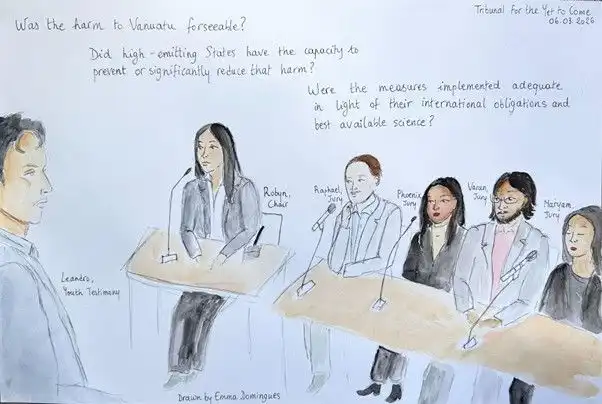
One of the conference’s highlights was the CARE Tribunal for the Yet to Come, a student-led climate accountability exercise exploring the moral and legal responsibilities owed to future generations, emphasizing intergenerational equity, global climate justice and the duty of care. With support from Dr. Yamina Saheb, Prof. Laura Tozer (University of Toronto) and CARE Research Assistant Ana Diaz Vidal, students prepared intensively in advance, coordinating online prior to the conference. Designed as a scripted performance, the Tribunal combined scientific evidence, legal framing and ethical reflection to create a powerful narrative about climate responsibility.

The proceedings unfolded in several structured segments:
- Scientific and cultural foundations: Students presented detailed evidence on climate impacts in vulnerable regions, including the effects on traditional food systems, fisheries and community practices. These presentations highlighted both the tangible consequences of climate change and the broader ethical implications for societies that are least responsible yet most affected.
- Legal and accountability framing: The tribunal explored questions of foreseeability, state capacity and adequacy of responses, drawing on international law principles, climate agreements and historical responsibility. The scripted performance made clear that accountability for climate decisions is not optional but essential.
- Structured narrative and reflection: The performance guided the audience through evidence, arguments and ethical reasoning in a carefully choreographed flow, culminating in reflections on justice, responsibility and the obligations owed to future generations.
The tribunal roles were as follows:
Chair
- Robyn Ahn, University of Toronto
Scene Setters
- Tristan Cook, University of Guelph - Scene Setter (Scientific and contextual overview)
- Allegra Melli, Sciences Po - Scene Setter (Climate science evidence)
Counsels
- Leo Ruesche Neggia, Sciences Po - Prosecutor (representing the youth and future generations of Vanuatu)
- Nilusha Rattansi, UBC - Claimant’s Representative
- Pranav Sinha, University of Toronto - Respondent
Expert Witness
- Dr. Yamina Saheb - Climate policy scientist
Youth Testimony
- Leandro Salud, UBC
Jury
- Maryam Rahimi Rahimi Shahmirzadi, University of Toronto - Jury introduction and closing remarks
- Varun Joshu, University of Guelph - Jury deliberation: foreseeability of harm
- Raphael Choquette, UBC - Jury deliberation: state capacity to act
- Phoenix Seelochan, University of Guelph - Jury deliberation: adequacy of measures
The tribunal also featured a sketch artist, Emma Domingues, Sciences Po alumna, who captured the performance.
The day concluded with a conference dinner on the Seine, offering an opportunity for participants to reflect and to celebrate the community they had built over the week.
Saturday 7 March - Student-Led Sustainability and Cultural Activities
On the final day, the CARE Student Committee organized student-led sustainability and cultural activities around Paris, including visits to:
- Saint Ouen eco-neighborhood - exploring sustainable urban design.
- Serre Wangari - engaging with community-based sustainability initiatives.
- La Villette and Cité des Sciences et de l’Industrie - combining science, innovation and cultural exploration.
These activities encouraged peer-to-peer learning, reflection and informal networking, reinforcing the community and collaborative learning dimensions of the Program.
Conference Reflections: Knowledge, Innovation, Leadership, Community
Over four days, the CARE Annual Conference 2026 strengthened the consortium’s mission to develop climate leaders who are thoughtful, innovative and collaborative:
- Knowledge: Students deepened their understanding of urban adaptation, sufficiency and the interface between science and policy.
- Innovation: Workshops, field visits and tribunal simulations encouraged creative, evidence-informed approaches to climate challenges.
- Leadership: Students practiced communication, networking and critical thinking in panels, simulations and peer exchanges.
- Community: Both structured and informal interactions reinforced cross-institutional ties and a sense of belonging within the CARE network.
The conference was a success not only in terms of knowledge exchange and practical learning but also in fostering meaningful connections, reflection and collaboration across students, faculty and partners.
Stay tuned for our 2027 edition at the University of British Columbia!