Home>CARE Annual Conference 2026
4 March 2026
CARE Annual Conference 2026
About this event
From 04 March 2026 17:00 to 07 March 2026 17:00
The Paris School of International Affairs – Sciences Po is hosting the 2026 edition of the CARE Annual Conference in Paris from 4 to 7 March 2026. This conference brings together students and faculty from universities across the CARE consortium, as well as leaders from the public and private sectors. Together, they will explore two major topics: Adapting Cities to a 4°C World and Sufficiency as a Guide for Mitigation and Adaptation.
The conference will offer CARE students opportunities to showcase their work during the poster presentation session and the Tribunal for the Yet to Come. Participants will also take part in four site visits in Paris and the Greater Paris area. Social events, including a networking reception and a conference dinner, will provide space for meaningful conversations and connections
WEDNESDAY 4 MARCH - OPENING DAY
- 17:45-19:00 — En-ROADS Climate Workshop (registration only).
The Reception Cocktail marks the official opening of our CARE Annual International Conference in Paris. This welcoming event is designed to bring together students, staff, faculty members and our guest speakers for an informal moment of connection at the very start of the program.
The evening offers participants an opportunity to meet, share perspectives and begin building the conversations that will shape the days ahead.
Registration only.
THURSDAY 5 MARCH - ADAPTING CITIES TO A 4°C WORLD
Scientific Coordination: Dr. Charlotte Halpern, Sciences Po, CEE & LIEPP

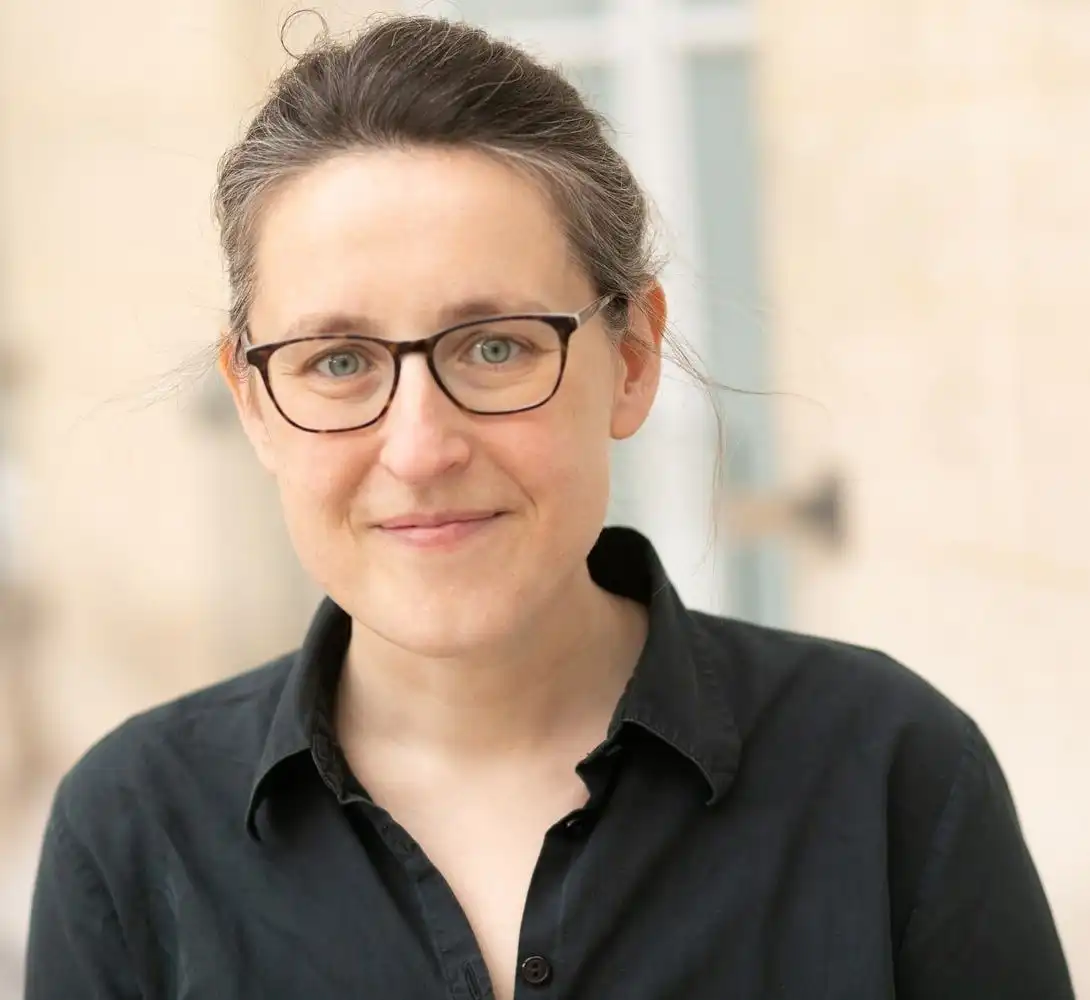
Context: Urban warming is expected to increase in the context of climate change, with dramatic effects on urban social and natural ecosystems. Supporting business-as-usual approaches or initial environmental responses focusing on low-hanging fruits has become increasingly challenging in the face of enhanced scientific knowledge and tangible critical thresholds of climate change. The following questions will be asked: are ecosystemic imperatives and city development objectives compatible overall today? What efforts are still needed to bridge the gap between scientific knowledge, policy processes and governance? How can local government and communities navigate the formidable challenge of rising temperatures and today’s better-known consequences? What specific measures are being considered and implemented across cities worldwide? Academics and students from across the CARE Program partners will have the opportunity to share their expertise and key findings during panel discussions and site visits.
Panelists and Speakers


Peter Wallace
University of Toronto


Prof. Amanda Giang
University of British Columbia


Valentin Laprie
OFCE Sciences Po


Dr. Marc Ringel
Sciences Po


Amélie Clark
Sciences Po, CIRED


Prof. Karina Benessaiah
University of Guelph


George Vegh
University of Toronto


Prof. Milind Kandlikar
University of British Columbia


Leila O'Rourke
Sciences Po - PSIA


Hugo Kapteijn
Sciences Po - PSIA


Elyne Fabing
Sciences Po - PSIA


Mailie Besson
Sciences Po - PSIA
Program of the day
- 10:00–10:15: Welcome and opening remarks, Dr Charlotte Halpern
- 10:15–11:15: Panel discussion “Setting the vision, Making it happen: mobilizing policy resources and stakeholders' engagement”
Moderator: Dr Charlotte Halpern
Panelists:- Peter Wallace, UofT - Taking policy from conception to impact
- Prof Amanda Giang, UBC - Community-engaged modelling for climate-just mobility transitions: examples from Vancouver
- Valentin Laprie, OFCE, Sciences Po - Title TBC
- Student Presentation : MOSE - A Tale of Two Projects by Leila O'Rourke (Sciences Po - PSIA) and Hugo Kapteijn (Sciences Po - PSIA)
- 11:15-11:30: Break
- 11:30–12:30: Panel discussion “Delivering resilient urban systems by adapting infrastructures, systems and the built environment ”
Moderator : Dr Marc Ringel
Panelists:- Amélie Clark (Urban school, Sciences Po and CIRED) - Scientific expertise and policy : comparing urban adaptation plans.
- Prof Karina Benessaiah (University of Guelph) - From spark to scale: enabling conditions for resilient urban transformations
- George Vegh (UofT) - The challenge of adapting urban energy infrastructures & networks to a 4°C world
- Student Presentation: Use of Green Roofs in Mitigating Heat Island Effect in Paris by Elyne Fabing (Sciences Po - PSIA) and Mailie Besson (Sciences Po - PSIA)
A lunch will be served to participants who received an access pass. Access will be screened.
Participants will explore concrete examples of urban adaptation and transformation. Registration is mandatory.
Metro tickets will be provided to CARE students, faculty and staff from Canadian partner universities.
- 13:45 - Departure for visits
Meeting point in the main Hall at 27, rue Saint-Guillaume. Participants will be divided in 4 groups.
- Visit 1 : Adapting Paris : greening initiatives in the 12th district.
Organizer: City of Paris, Agency for Urban Ecology, Department of Green spaces and the environment
Meeting point : post office at the corner between Boulevard Diderot and Rue Abel.
Speaker: Pascal Bonneau, lecturer-guide at the Urban Ecology Agency of Paris. He began his career more than 30 years ago with the City of Paris as a nature educator at the Ferme de Paris before becoming a lecturer-guide. Alongside his professional work, his strong interests in biodiversity, diving, and sport subtly shape his visits.
PSIA group lead: Mailie Besson
- Visit 2 : Visit to the Aretha Franklin Park, a biodiversity space in a working-class neighborhood
Organizer: City of Paris, Agency for Urban Ecology, Department of Green spaces and the environment
Meeting point: Entrance of Park at the corner of rue du Serpolet and rue Louis Lumière.
Speaker: Jean-Christophe Lucas, lecturer-guide at the Urban Ecology Agency of Paris. After studying agronomy, he passed the City Gardener competitive exam and has worked for the City of Paris for nearly 30 years. His personal interest in history and particularly the history of gardens shapes and enriches the visits he leads.
PSIA group lead: Upamanyu Dutta
- Visit 3 : Beyond strategy, how does Paris face crisis?
Organizer: Crisis Management Service, General Secretariat of the City of Paris.
Meeting point: 29, rue de Rivoli - 75004 Paris
Speakers: Tiphaine Caris , Crisis Management Coordinator, and Laure Guimbail.
The group will visit the city of Paris' crisis management center and the Paris Operational Center. The focus will be on the Crisis Management Service, its organization, the types of events it prepares for, and its operational methodology.
PSIA group co-leads : Hannah Forsythe and Olivia Gbato
- Visit 4 : Nutrient and energy flows related to wastewater management : the potential of urine source separation
Organizer : Department of Innovation at Rosny sous Bois.
Meeting point: Centre de loisirs Mermoz, 1 rue des frères Lumière, Rosny-sous-Bois
Speaker: Chloé Zordan
PSIA group lead: Charlotte Halpern
Welcome words from Prof. Milind Kandlikar will kick off the poster presentations session and networking cocktail.
As part of the conference program, the Student Dinner brings together students from all four partner universities to meet beyond formal sessions. This gathering will provide a relaxed space to mingle, exchange ideas, and build connections across institutions. By sharing a meal, participants can broaden their perspectives, spark new conversations, and strengthen the collaborative spirit that drives international academic work.
Registration is mandatory. Exact location will be communicated to confirmed registrants.
This event is organised by our CARE student organization committee.
Meet the CARE Students presenting their research poster


« I am a landscape architecture graduate and first-year Master of Science student in Rural Planning and Development at the University of Guelph, where I also completed my Bachelor of Landscape Architecture. I am passionate about design, heritage planning and conservation, with a strong interest in sustainable landscape artitecture that integrates environmental stewardship with the preservation of cultural and historical lanscaptes. As a French and Canadian citizen, I value engaging diverse communities and contributing to resilient, inclusive places. »
Emma POTHION, University of Guelph
Student in Landscape Architecture & Rural Planning and Development, University of Guelph


« I am a master’s student in both environmental policy and sciences (with a focus on ecology). Interested in water issues and the way that they interact with agri-food systems and infrastructures, I am currently doing an internship on agriculture at the French ministry of ecological transition and soon leaving for a documentary project in European farms. »
Justine BABIN, Sciences Po - PSIA
Master in Environmental Policy and Environmental Sciences, Sciences Po - PSIA


« After completing a dual bachelor’s degree in Environmental Sciences and Political Science, I am pursuing a master’s degree focused on environmental and agricultural policy. Currently in a gap year, I am working on farms and aim to enroll in an agricultural engineering program to strengthen my technical expertise and work at the interface of agriculture and public policy. »
Anouk BASSOU, Sciences Po - PSIA
Student in the Master of Environmental Policy, specializing in Agriculture and Food Systems, Sciences Po - PSIA


« I am a Norwegian–French student at Sciences Po and EHESS, studying environmental politics, currently working at the Urban Ecology Agency of Paris on urban agriculture. My academic work focuses on Sámi reindeer herding, carried out in collaboration with anthropologist Charles Stepanoff. »
Jacob CABOT, Sciences Po
Student in Master in Environmental Policy, Sciences Po - PSIA


« Currently a Master of Public Policy candidate at the Munk School of Public Policy and graduated with a bachelor’s degree in economics and political science. My interests include sustainable and economic policy, and their intersection. »
Youri CHAMBLAS, University of Toronto
Student in Master of Public Policy, University of Toronto


« I am a graduate student in Computer Science at the University of Guelph. My research focuses on applying machine learning and deep learning methods to biological and genomic data, with interests in genotyping, biodiversity informatics, and health-related data analysis. My current work explores scalable, data-driven approaches for extracting meaningful biological insights from high-dimensional datasets, with the broader objective of advancing interdisciplinary research at the intersection of AI, biology, and societal impact. »
Spandana CHEREDDY
Student in Computer Science, with a focus on machine learning and data-driven methods for biological and health-related research, including genomics and biodiversity data analysis, University of Guelph


« I am a second-year graduate student in the Master of Public Policy program at the University of Toronto’s Munk School of Global Affairs and Public Policy. My research interests focus on agri-environmental and climate change policy, with an emphasis on systems-based approaches to policy design and implementation. I am particularly interested in preventative, evidence-based policymaking and its role in addressing complex environmental and public health challenges. I have experience in public service, research, and advocacy, and am motivated by questions of how governments can strengthen food systems, advance climate resilience, and promote long-term societal well-being. »
Anissa GANDHI, University of Toronto
Student in Master of Public Policy, the Munk School of Global Affairs and Public Policy , University of Toronto


« I am a M1 student in the Environmental Policy program at Sciences Po (PSIA). My field of interest is particularly related to sustainable and innovative agrifood systems. »
Ivan GLIGOROV, Sciences Po - PSIA
Student in Master of Environmental Policy, Sciences Po - PSIA


« My field of study is primarily animal-plant-soil interactions, microbial ecology and carbon cycling. My research investigates sustainability challenges in the agricultural sector, specifically as it pertains to the first phase of beef farming, the cow-calf phase. The aim of my research is to investigate microbial diversity, carbon sequestration, total soil nitrogen, and other soil health parameters across various grazing management strategies to inform climate-smart best management practices for Ontario beef farmers. »
Emilie HART, University of Guelph
First year student in MSc in Environmental Sciences, University of Guelph


« I am a Master of Public Policy and Global Affairs candidate at UBC. My research interests include health, climate, and food security. My work aims to bridge the gap between environmental justice and global health stability through evidence-based policy interventions. »
Sydney HERRINGTON, University of British Columbia
Master of Public policy and Global Affairs student, University of British Columbia


« I am a Master of Public Health student at the University of Guelph with a keen interest in environmental health and public policy. My research interests lie in water security, focusing on how environmental exposures, climate-related hazards, and infrastructure decisions affect population health and equity. My current role as a Freshwater Policy Research Fellow integrates quantitative and qualitative research, policy analysis, and environmental data analysis to inform evidence-based decision-making in public health systems, particularly related to water quality, air quality, and climate resilience. »
Saba KHAN, University of Guelph
Master of Public Health student, University of Guelph


« I am Lokesh Kumar K M, a thesis-based MSc in Computer Science (Artificial Intelligence) student at the University of Guelph. My current research, supervised by Dr. Gurjit Randhawa, centers on developing autonomous robotic systems for agricultural applications, specifically focusing on real-time disease detection in strawberries using advanced vision algorithms. »
Lokesh KUMAR KARUPPAIYA MUTHIAH, University of Guelph
Student in Master's in Computer Science with specialization in AI. In particular applying Robotics and AI in precision agriculture, University of Guelph


« I am a second-year Master of Global Affairs student at the University of Toronto. I am passionate about advancing sustainable, equitable, and effective public policy. I am particularly focused on the role of cities and corporations in addressing climate change. Through ingenuity and collaboration, I hope to lead by aligning economic progress with long-term climate resilience and community empowerment. »
Jennifer LI, University of Toronto
Master of Global Affairs student, University of Toronto


« MSc student in Environmental Sciences at the University of Guelph, I'm specialized in polar microbiology. My research focuses on viral ecology in Canadian Arctic permafrost (frozen soil) and its role in carbon cycling. Incorporating this component into biogeochemical models will improve climate change predictions, essential for informed environmental policies as well as for mitigation and adaptation strategies. »
Claire MERCIER, University of Guelph
Student in Environmental microbiology (viral ecology and biogeochemistry), University of Guelph


« I am a Master’s student at Sciences Po specialising in environmental policy and sustainability. I am interested in contributing to the systemic changes needed to build a more nature-conscious society—one that works with ecological limits rather than against them. My academic and project work focuses on how institutions, policies, and decision-making frameworks can translate environmental challenges into concrete, collective action. »
Josie O'BRIEN, Sciences Po
Master in Environmental Policy student, Sciences Po - PSIA


« I am a graduate student in Anthropology at the University of British Columbia, specializing in Environmental Anthropology. My current ethnographic research project focuses on nomadic beekeepers in Greece, who move their beehives seasonally to find suitable foraging and overwintering locations. Given nomadic beekeepers' extensive local environmental knowledge and their relational practices of care, the objective is to amplify their voices and position them as vital actors and knowledge holders within climate governance frameworks. »
Caroline STAMPLIAKA
Student in Environmental Anthropology, University of British Columbia


« I am a Master of Environment and Sustainability (MES) student at the University of Toronto’s School of the Environment, with research interests in conservation and food systems. I am currently working on my MES thesis, which examines the integration of nutrition interventions into community-based forest management in climate-vulnerable forest communities in southern Madagascar. Through this work, I aim to contribute to more equitable and sustainable conservation and food systems, while advancing research on implementation processes and climate resilience in vulnerable contexts. »
Vanessa VIRGO, University of Toronto
Master of Environment and Sustainability student, University of Toronto


« I am a first-year Master’s student in Environmental Policy at Sciences Po’s Paris School of International Affairs, specializing in Agriculture, Food, and Environmental Sustainability. My academic work focuses on the intersection of environmental science, public policy, and food systems, with attention to food security, climate resilience, and governance. I aim to work at the nexus of food crisis management, global trade, agricultural equity, and biodiversity restoration. »
Stella WERTHER, Sciences Po - PSIA
Student in the Master of Environmental Policy with a specialization in agriculture, food systems and sustainability, Sciences Po - PSIIA


« I am a MSc student at Institute for Resources, Environment and Sustainability at UBC. My current topic of research is analyzing the co-benefits of energy transition on air pollution in India using quantitative models. I am deeply passionate about environmental policy-making that promotes international collaboration, grassroots research and improved awareness for people on climate issues. My undergraduate studies in chemical engineering shaped my research skills and provided a strong knowledge base of fundamental thermodynamics, transport phenomena, and chemical processes that drive any environmental system. »
Arush GAUR, University of British Columbia
Student in Resources, Environment and Sustainability research based MSc Program, University of British Columbia
FRIDAY 6 MARCH - SUFFICIENCY AS A GUIDE FOR MITIGATION AND ADAPTATION
Scientific Coordination: Dr. Yamina Saheb, Co-Founder of the World Sufficiency Lab, LIEPP, Sciences Po

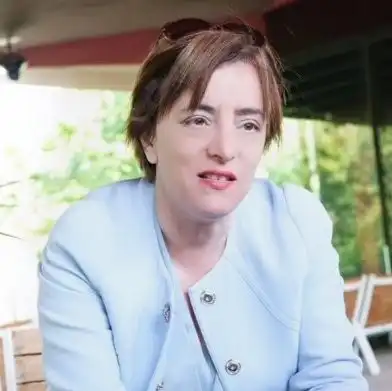
Bringing together scientific, policy and practitioner perspectives, the day will examine how sufficiency reshapes debates on energy systems, social justice and structural transformation. From the role of expertise in decision-making to the tensions at the science-policy interface, discussions will engage openly with the political and ethical dimensions of climate action.
The afternoon’s Tribunal for the Yet to Come will extend these conversations into a forward-looking exercise, inviting participants to confront questions of accountability and imagine pathways toward more just and sustainable futures.
Panelists and Speakers


Prof. Debra Roberts
IPCC


Prof. Evelyne Schmid
University of Lausanne


Prof. MV Ramana
University of Bristish Columbia


Prof. Nicolas Brunet
University of Guelph


Prof. Laura Tozer
University of Toronto


Ana Diaz-Vidal
World Sufficiency Lab


Aleksandra Majowka
Sciences Po
Program of the day
Conference Keynote by Prof. Debra Roberts
Debra Roberts is a Professor at the Department of Geo-Information Science at the University at Twente, South Africa. She is known for her scientific work in the field of climate risk management, her leadership in the Intergovernmental Panel on Climate Change (IPCC) and for linking global climate risks to local realities, putting people first. Her pioneering work has helped reduce vulnerability in human and natural communities, enhanced local level sustainability and resilience, created socioeconomic development opportunities and driven institutional change.
PSIA student Aleksandra Majowka will share a selection of poems inspired by CARE-related themes.
Round Table Discussion: Science and Policy Making: Between Evidence and Power
This round table confronts the uneasy reality of how science and policy interact: not as a smooth transfer of knowledge, but as a contested space where evidence, interests, and ideology collide. Far from the ideal of “evidence‑based policy,” we are witnessing “policy‑based evidence”, where research is selectively mobilized to justify pre‑determined agendas.
The round table will be a frank and uncompromising debate among researchers, policymakers, and practitioners about instrumentalization of science, the politics of expertise, the conflicts of legitimacy and reclaiming the science-policy interface. Participants will question assumptions, expose tensions, and confront the uncomfortable truths of the science‑policy nexus.
The objective of the round table is to move beyond polite consensus and open a space where the contradictions, manipulations, and missed opportunities of science‑informed policy-making are laid bare and to imagine how the relationship could be (re) balanced in favor of democratic accountability and genuine metamorphosis.
Moderation: Dr Yamina Saheb
Speakers: Prof. Evelyn Schmid, Prof. MV Ramana and Prof. Nicolas Brunet.
The CARE-WSL Tribunal for the Yet to Come is a bold, student-led initiative tackling the climate crisis through intergenerational equity and global climate justice. Blending law, science and advocacy, students will investigate real-world climate inaction, build evidence-based cases, and deliver public verdicts with policy recommendations. Grounded in cutting-edge research and the Zero Carbon Tool, the Tribunal amplifies youth voices and calls for fair, ambitious climate action- holding today’s decisions accountable to the generations who will live with their consequences.
Tribunal preparations have been supervised by Dr Yamina Saheb, Prof Laura Tozer and Ana Diaz Vidal.
Participants will meet at 18:15 at the restaurant.
Registration is mandatory. Details will be communicated to confirmed registrants
Meet the CARE students participating in the Tribunal for the Yet to Come


« I am a first-year Master of Global Affairs student at the Munk School of Global Affairs & Public Policy at the University of Toronto. I hold a Bachelor of Science in Kinesiology and Health Science and am interested in public policy design related to climate resilience, global health, and sustainable development. My current work focuses on applied policy research and stakeholder engagement, including work on biodiversity and sustainability initiatives through ALUS Canada, and on translating evidence into practical policy solutions. »
Robyn AHN, University of Toronto
Student in Master of Global Affairs, University of Toronto


« I come from Montreal, and I study a master's in Public Policy and Global Affairs at the University of British Columbia, more particularly in environmental policy. I'm interested in environmental economics, focusing on the policies that make the green economy attractive to the private sector; as well as climate justice - looking at the liability of states for the climate crisis, as well as mitigating the unequal impacts of climate change. »
Raphael CHOQUETTE, University of British Columbia
Student in Master's in Public Policy and Global Affairs (Environmental Policy), University of British Columbia


« I am a first-year Masters student studying under the supervision of Dr. Silvia Sarapura in the Rural Planning and Development thesis program at the University of Guelph; I am also part of Dr. Sarapura’s Braiding Food Systems project, a collaborative initiative between researchers and Ojibwe First Nations communities in Northern Ontario that aims to re-localize and co-develop seed systems in order to strengthen food security and Indigenous food sovereignty through community-led action. »
Tristan COOK, University of Guelph
Master student in Rural Planning and Development, University of Guelph


« I am specializing in green criminology, environmental harm, and climate justice. My research examines the lived experiences of individuals engaged in animal activism, using qualitative methods to understand meaning-making, ethics, and political engagement. Through the CARE Tribunal, I aim to contribute evidence-based analysis that strengthens collective approaches to climate responsibility and intergenerational justice. »
Varun JOSHI, University of Guelph
Research student in Sociology (Criminology) specializing in green criminology and environmental justice, University of Guelph


« I am currently pursuing a Master in International Governance and Diplomacy at Sciences Po Paris. I hold an MSc in Complex Systems Engineering and Management from TU Delft, where I graduated cum laude. I conducted research at Fraunhofer ISI, the European Commission and the Dutch Institute for Applied Scientific Research (TNO). I am deeply engaged in youth empowerment and aim to build a career at the intersection of international development, ecological transition, and innovation policy. »
Allegra MELLI, Sciences Po - PSIA
Master student in International Governance and Diplomacy at PSIA


« I am a Master of Public Policy student at the Munk School of Global Affairs & Public Policy, University of Toronto, with expertise in evidence-based policymaking, climate adaptation, and equitable governance. My professional experience includes policy research and analysis roles at the Federation of Canadian Municipalities and Equal Voice, where I developed knowledge resources and analyzed barriers to equitable representation. Through the InnovEAT hackathon and Climate Leadership Program, I have deepened my understanding of sustainable development and systems-based policy approaches. »
Maryam RAHIMI SHAHMIRZADI, University of Toronto
Master of Public Policy student, University of Toronto


« I am a first-year Master's student at UBC, studying Public Policy & Global Affairs with a focus on Resources, Energy, and Sustainability. From my past experiences in both Canadian and international contexts, I developed a strong interest in the climate-health nexus, as well as human rights and the environment. I look forward to learning from this interdisciplinary group of students and speakers about how we can collaborate effectively to address climate change. »
Nilusha RATTANSI, University of British Columbia
Master student in Public Policy & Global Affairs (specializing in Resources, Energy, & Sustainability), University of British Columbia


« I am a graduate student in the dual-degree program in International Development at Sciences Po and International Relations at Peking University. My work focuses on political economy, human rights, and global governance. Alongside my studies, I have worked across climate policy impact evaluation, human rights litigation against multinational corporations, and youth mobilization in multilateral policy spaces. My objective is to continue working at the intersection of law, policy, and science to support just transition pathways, and advance post-growth economic transformations grounded in human rights frameworks. »
Leo RUESCHE NEGGIA, Sciences Po - PSIA
Master student in International Development with a focus on human rights and environmental policy, Sciences Po - PSIA and PKU


« I am a Master student of Public Policy and Global Affairs at the University of British Columbia, specializing in resources, energy, and sustainability. I currently work as a Student Project Associate with the British Columbia Ministry of Energy and Climate Solutions, where I am drafting engagement strategies to support the province’s industrial climate policies. Prior to my graduate studies, I worked as a Sustainability Consultant at ENGIE Impact, advising clients across the Asia-Pacific region on their renewable energy and climate-risk strategies. »
Leandro SALUD, University of British Columbia
Master student in Public Policy & Global Affairs (Resources, Energy and Sustainability Specialization), University of British Columbia


« I am a Master of Public Policy candidate from the Munk School of Global Affairs and Public Policy with the University of Toronto. With many years of experience working in the government and the CDR industry, I am interested in working further with climate change policy and sustainable and equitable economic development policy. »
Phoenix SEELOCHAN, University of Toronto
Student in Master of Public Policy, University of Toronto


« I am a university student at the Munk school of Global affairs and Public Policy in the master of public policy program.I am in the first year of the two year program.My bachelors was in environmental science from the University of Toronto Mississauga.I hope to work in the field of environmental policy and esg in either the public or private sector once I graduate in 2027. »
Pranav SINHA, University of Toronto
Student in Master of Public Policy, University of Toronto
SATURDAY 7 MARCH - STUDENT-LED PARIS SUSTAINABILITY AND CULTURAL ACTIVITIES
Organized by the CARE Student Committee for students from partner institutions, this day offers a peer-led opportunity to explore Paris through climate, urban and cultural perspectives.
Meeting at 10:00 AM - Sciences Po campus : 1, Place Saint-Thomas d'Aquin
- Student-led visit to Saint-Ouen’s ecological neighbourhood and exchange with the Mayor’s team on local climate and urban initiatives.
- Lunch at La Villette.
- Visit the Cité des Sciences at La Villette and exhibition on “Climate Emergency”.
- Follow the Coulée Verte - historic railway transformed into a green promenade with beautiful views of the city.
- Walk from Bastille through Le Marais (centre of Paris).
- Relaxed gathering at the Great Canadian Pub.
Meet the CARE Student Organizing Committee


« I'm a Master's student in Environmental Policy with concentrations in Environment & Sustainability and Gender Studies. My background includes research with a Canadian Indigenous centre and an internship at Danone working on B Corp Certification. I'm interested in policy work which regulates the private sector, as well as communications strategies that advance climate action and women's empowerment. »
Isha AGARWAL, Sciences Po
Student in Master in Environmental Policy, Sciences Po - PSIA

« Currently studying environmental policy, I am interested in urban adaptation to climate change and accompanying cities in their environmental transition. »
Mailie BESSON, Sciences Po - PSIA
Student in Master in Environmental Policy, Sciences Po - PSIA


« I am a first year Master student in International Development with a concentration in Agriculture & Food Systems. »
Alexander BIRKLE, Sciences Po - PSIA
Student in Master in International Development with a concentration in Agriculture and Food, Sciences Po - PSIA


« I am a second-year Master student in Diplomacy and International Governance at Sciences Po Paris, specialising in Diplomacy and Global Risks. I currently serve as an intern with the OECD Development Centre's network of Foundations Working for Development (netFWD) and as Vice-Chair of the IFRC Youth Commission, representing the European and Central Asian Region. Passionate about global development, cooperation and global relations, I also serve as Deputy Director of the Spanish Red Cross Youth. »
Lucia CHOCARRO MARTINEZ, Sciences Po
Student in Master of International Governance and Diplomacy with specialisation in Global Risks, Sciences Po - PSIA


« I’m passionate about how global institutions, negotiations, and cooperation can shape a just and effective climate future. With a background in Sustainable Development and a Master’s in Environmental Policy at Sciences Po, my pursuit is evolving at the intersection of climate diplomacy, governance, and the political economy of climate change. I am also deeply interested in the security–peace nexus of climate change, and how it reshapes geopolitics and international cooperation. »
Upamanyu DUTTA, Sciences Po
Master in Environmental Policy with a focus on geopolitics and multilateralism, Sciences Po - PSIA
« I am a Master’s student in Environmental Policy, currently completing my final academic year alongside an apprenticeship at the French Ministry of the Ecological Transition. My studies focus on urban climate and sustainability policies, which I have applied through research projects on urban sufficiency and resilience, including green roofing adaptation initiatives in Paris. In parallel, my professional work centers on consumer information as a lever for the circular economy and the transposition of EU circular economy legislation into French law. My objective is to bridge research and public policy to support just and effective urban transitions. »
Elyne FABING, Sciences Po - PSIA
Student in Master of Environmental Policy with a sustainability concentration, Sciences Po - PSIA


« My name is Hannah, I'm a first year Master’s student in Environmental Policy at Sciences Po. I am particularly interested in natural resource management, the energy transition and sustainable management of alpine areas. »
Hannah FORSYTHE, Sciences Po
Student in Master of Environmental Policy, Sciences Po - PSIA


« Currently pursuing a Master’s degree in International Energy Transitions, I hold a Bachelor’s degree in Political Science from Sciences Po. My interests lie at the intersection of energy policy, environmental governance, and international affairs. I aim to develop a research-driven career contributing to sustainable and equitable energy transitions. My favorite thing about me is being Ivorian ! »
Olivia GBATO, Sciences Po - PSIA
Student in Master in International Energy Transitions, Sciences Po - PSIA


« I am a Master’s student in Environmental Policy at Sciences Po Paris and a participant in the CARE Climate Leadership Program. My background combines climate and sustainability research and policy analysis with a focus on energy efficiency and EU climate governance. I have gained experience working on projects involving international and European institutions, including my current role at the World Bank. I am particularly interested in how public policy can accelerate a just and effective transformation of energy systems. »
Julia JADZINSKA, Sciences Po - PSIA
Student in Master in Environmental Policy, Sciences Po - PSIA

« I am originally from Scotland and now in the second year of my master's programme here in Paris, studying International Governance and Diplomacy (concentration Environment and Sustainability). I am interested in developing solutions to the governance challenges presented by climate change and in building resilience on the local and national levels. »
Ailie ROSS-OLIVER, Sciences Po - PSIA
Student in Master in International Governance and Diplomacy, Sciences Po - PSIA


« I am a graduate at SciencesPo Paris in International Energy Transitions, currently on gap year and interning at the OECD Environment Directorate. I come from Kazakhstan and my professional objectives are thus mainly tied to Central Asia and France, especially in a comparative lens. »
Nargiz SHANTAYEVA, Sciences Po - PSIA
Student in Master in International Energy Transitions, Sciences Po - PSIA
FAQs FOR THE CARE CONFERENCE
For attendees arriving at Roissy-Charles de Gaulle Airport (CDG), here are a couple of options for reaching downtown Paris:
Public transportation (about 50 min.)
- RER B + Metro : at your arrival at CDG, follow the signs “GARE”.
Option 1: purchase a physical Navigo Easy Pass (€2.00) and load your transport tickets (one-way from CDG:€14.00)
Option 2: download the RATP app to purchase and load your tickets directly on your phone
All RER B trains at CDG head to Paris.
Once in Paris, you want to take the Metro (using the same ticket). Here is a link to Ile-de-France mobilité :"Your transport in Ile-de-France made easy" as well as the metro map.
Taxi/Uber
- Traffic may be heavy and travel time from CDG to Paris may significantly vary. Approximate cost: €60
- For activities organized on Sciences Po campus, the dress code is business casual attire (clean jeans allowed, no sweatpants, etc.).
- For field visits on Thursday afternoon, we recommend comfortable footwear and a light coat (an umbrella might be useful).
The weather in Paris can vary in early March.
- Temperatures can range from 8°C to 14°C.
- Rain is highly possible and it can feel cold with the wind chill.
- It is recommended that you dress in layers.
Do not hesitate to check the weather before packing.
For each event, the following information is provided : address of campus , room number, name of room / lecture hall (amphitheater) or cafeteria. Here is a map with Sciences Po campuses in the area.
A WhatsApp group will be set up. You will receive a notification.
Connection to our SciencesPo-Guest network (recommended)
- Click on the “SciencesPo-Guest” network from the list of available ifi networks on your device.
- A page opens up for your first connection.
- Click on “Register”
- Key in your email address; Read the terms of use; Check the consent box; Click on “Valider/Register”
- You will receive an email with a validation link (active for 10 minutes)
- You will be able to use the network for one day
Connection to Eduroam
Eduroam (Education Roaming) is a platform allowing access to the internet via secured Wi-Fi connection to staff members and students belonging to teaching and research institutions, during their visits on other premises of the network, in France but also abroad.
Sciences Po gives the opportunity to users that are members of the Eduroam network to use a secured and authenticated Wi-Fi connection by using their usual login.
Navigo Easy Passes will be provided to confirmed registered participants from our CARE partners (University of British Columbia, University of Guelph and University of Toronto).
Passes will be collected back after field visits for future use.
Your first point of contact should be the CARE administrative contact at your home institution.
For non-urgent issues, please use email:
For emergency situations
- on campus, contact : +33 1 45 49 55 55 or +33 11 42 22 48 52
- off campus : 112