Home>The Tale of Tommy Thompson Park: How an Urban Wasteland became a Nature Refuge


24 November 2026
The Tale of Tommy Thompson Park: How an Urban Wasteland became a Nature Refuge

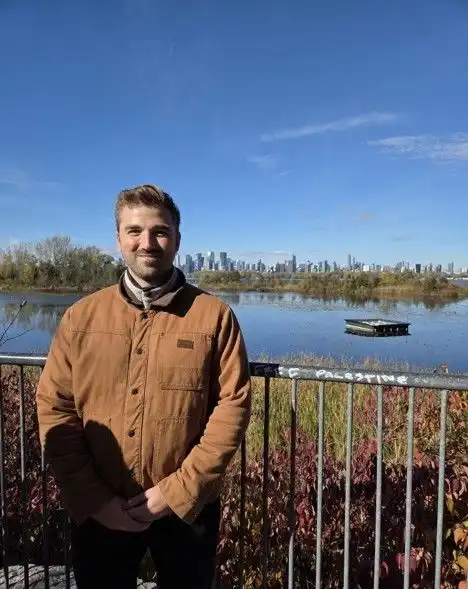
[Anton Trygub, a student at the University of Toronto and participant in this year's CARE Urban Resilience Project, shares his experience of the study trip at the Tommy Thompson Park, organised as part of the in-situ phase of the project.]
Visiting Tommy Thompson Park this week, I was stunned by how secluded and peaceful it felt given its immediate proximity to Toronto. Having a unique opportunity to tour the park with a guide from the Toronto and Region Conservation Authority, I was fortunate to get a special perspective of the history and beauty of this Toronto harbour park — one that would be hard to achieve if visiting alone. During the tour, our guide illustrated to us the unusual history and creation of the park.
Tommy Thompson Park is one of Toronto’s great accidents. In 1959, anticipating a shipping boom from the new Saint Lawrence Seaway, the Toronto Harbour Commission started building a peninsula out into the lake to shelter an outer harbour. The boom never came. Containerization reshaped shipping in the early 1960s, and the need for an outer harbour simply evaporated.
The trucks kept coming anyway. The Spit grew out of lake-bottom mud and sand plus construction debris from across the city, so the rubble of our high-rises and subways became a five-kilometre peninsula. Nobody planned what happened next: the land quietly went wild with little interference, and birds and plants claimed a place built for freighters.
When it became clear that the industrial purpose of the purpose of the man-made landmass was no longer a factor, decisions needed to be made as for what to do with it. Some proposed plans included “developing an aquatic park, complete with hotels, private boating clubs, camping facilities, and a parking lot that could accommodate up to 2,000 vehicles.” Advocacy groups such as Friends of the Spit pushed for wilderness, and David Crombie’s Royal Commission on the waterfront agreed, revising plans and putting naturalization first. Toronto Council renamed the strip in 1984 for Tommy Thompson, Toronto’s first parks commissioner, and since 1995 the TRCA has restored and created over 70 hectares of aquatic and terrestrial habitat in the park.

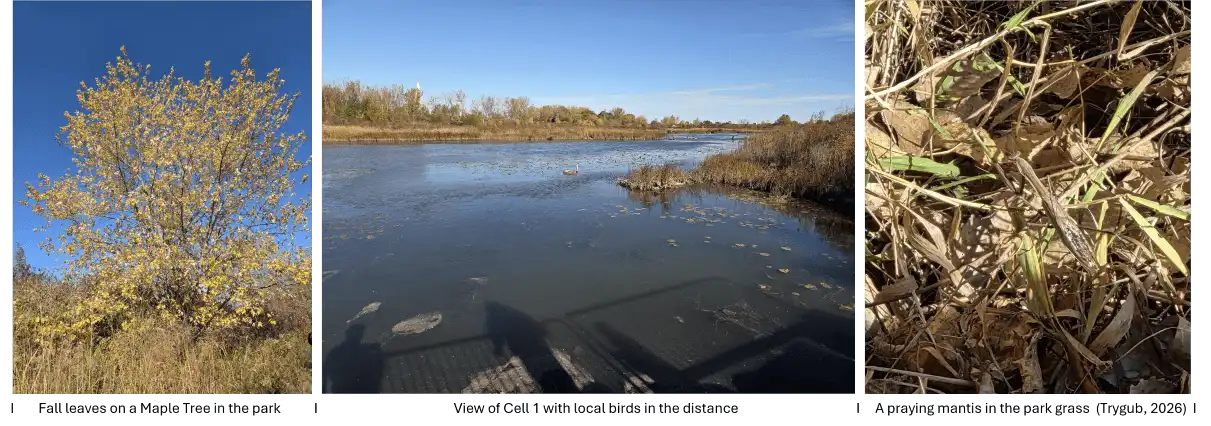
Today, the park is home to over 300 species of birds, 50 species of butterflies, and a variety of reptiles, insects, and aquatic and land mammals. Our TRCA guide humorously discussed his ongoing battles with the local beaver populations — who are hellbent on damming up any streams of running water — and the perplexing existence of a doe with newborn fawns, despite no evidence of a male deer near the park. Who could have predicted a discussion of immaculate conception for deer in Tommy Thompson Park on this tour? Certainly not me.
These beautiful vistas and heartwarming stories of local wildlife flourishing would not have been possible without innovative urban policy decisions. Converting an industrial forecasting error into a unique public recreation site and nature reserve was not the easiest decision, but one that was undertaken with Toronto’s long-term interests in mind — and it is paying dividends. Selling the land to private developers would have been an easy source of cash, and I thank the policy visionaries in charge for seeing the incredible potential of the site and allowing it to flourish into the beautiful destination it is today.
The story isn’t finished. The peninsula is still growing as harbour dredgings are deposited along its edge, and the City and TRCA are preparing a Visitor Experience Plan for Council in winter 2027. A failed megaproject turned beloved wilderness at the edge of Canada’s biggest city. Not bad for a pile of rubble in the middle of Lake Ontario.